From data ingestion to a universal, database-agnostic query engine — every phase of the datalyon.ai build, organized chronologically and designed for complete transparency.
v0.8.0
Latest PhaseDeveloped a database-agnostic query engine capable of adapting queries across different database systems, reducing database-specific dependencies and enabling seamless multi-database support.
August 2026
July – August 2026
Introduced AI-driven anomaly detection to identify unusual business patterns, along with Role-Based Access Control (RBAC) to secure datasets, dashboards, and organizational access.
May 2026
May 2026
Added SQL-backed validation to verify every AI-generated chart and insight against the source data, ensuring accuracy, consistency, and trust.
April 2026
April 2026
Implemented forecasting capabilities to predict future trends, sales, demand, and KPI movements, helping users make proactive business decisions.
March 2026
March 2026
Added automated business insights, trend summaries, and KPI explanations, plus root cause analysis to explain why metrics changed rather than just displaying data.
February 2026
February 2026
Enabled users to ask business questions in plain English. The AI translated natural language into SQL and generated relevant charts and answers automatically.
January 2026
January 2026
Introduced AI-powered chart generation and interactive dashboards. Users could visualize business data automatically without manually creating charts.
December 2025
December 2025
Built the core data ingestion framework with support for multiple databases and file uploads. Established data storage, metadata extraction, schema detection, and data profiling as the foundation of datalyon.ai.
November 2025
November 2025
A database-agnostic query engine that adapts queries across different database systems, reducing database-specific dependencies and enabling seamless multi-database support across the entire datalyon.ai platform.
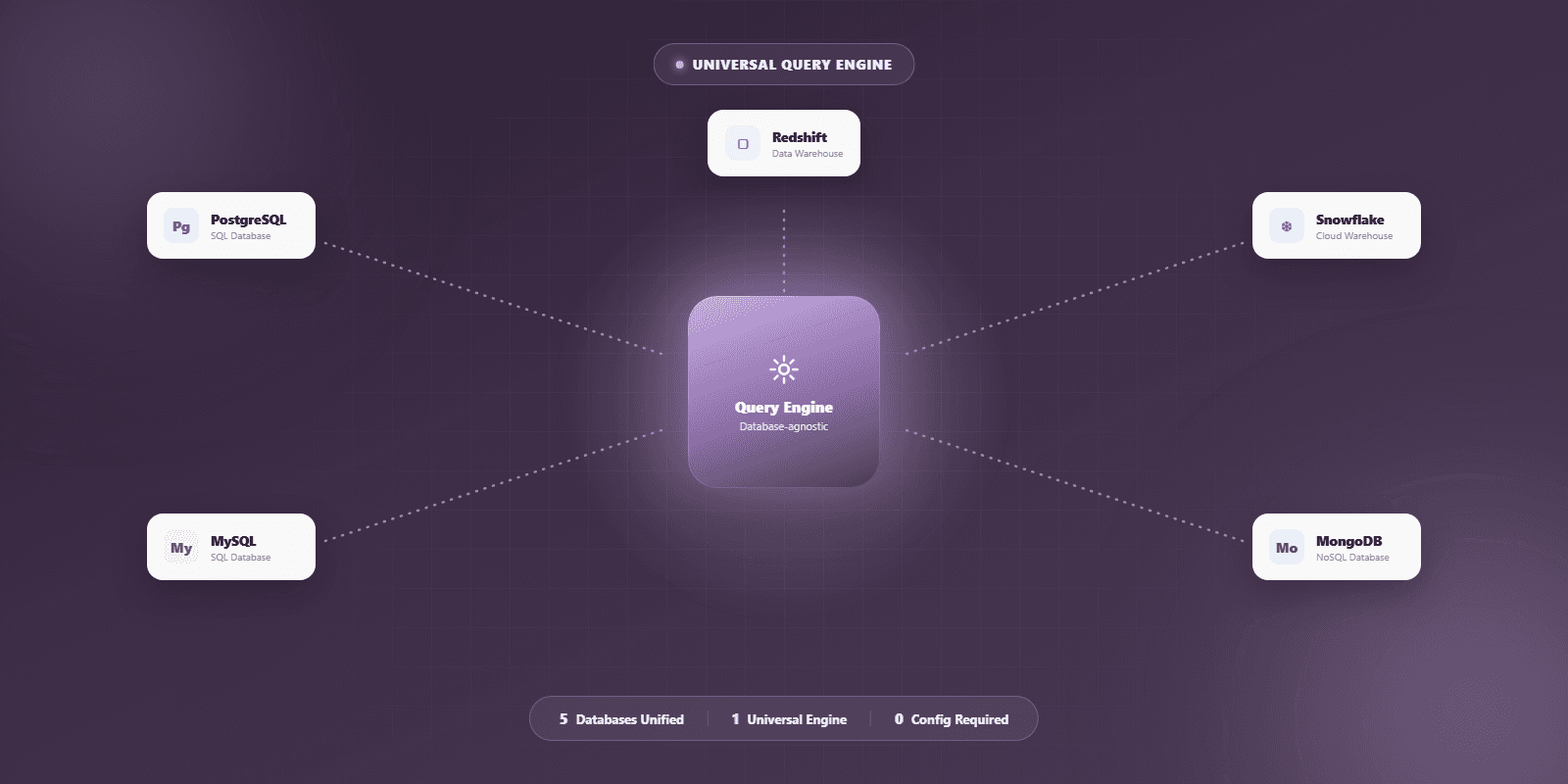
The Universal Query Engine delivers consistent, adaptive query performance across every connected data source, cutting database-specific engineering overhead in datalyon.ai.
Role-Based Access Control (RBAC) is now enforced across every dataset, dashboard, and workspace, giving teams granular control over who can access what in datalyon.ai.
Receive release announcements, feature updates, and platform improvements directly in your inbox.
0
Features Released
0
Improvements
0
Bug Fixes
0.00%
Platform Stability
We publish minor updates and platform enhancements weekly. Major phase-level capabilities, architectural system upgrades, and localized security deployments roll out chronologically at the beginning of each calendar month.
Each release note documents new features, behavioral improvements, resolved bugs, breaking changes, and any required migration steps for datalyon.ai, alongside links to the full technical changelog.
Subscribe to this page's newsletter above, follow the RSS feed, or enable release notifications from inside your datalyon.ai account settings.
Report bugs or unexpected behavior directly to your account team, or file a ticket through the enterprise support portal referencing the affected datalyon.ai version.
